
The Role of Enzymes in Skin Renewal, Biomimetic Peptides, and the Science Behind Rejuvenation

Updated: Sep 2
Skin renewal is an intricate process involving multiple biochemical interactions. In this post, I want to walk through the ingredients I formulate with — enzymes, biomimetic peptides, and the science behind rejuvenation — and be honest about where that knowledge comes from: not borrowed studies, but years of direct testing.
Before anything goes into a BIOTEC USA product, I source it myself. Every year, ingredient suppliers hold panels across Europe — and now in New York as well — where a judging panel awards platinum, gold, and silver to the best-performing ingredients in each category. I request samples of the ones that stand out, then formulate small batches and test them on myself and, during facials, on clients. Only once I'm completely confident in a formula do I move it into production. That's the actual "science" behind what I make: not a lab study I'm quoting, but testing I've done myself, over years, before anything reaches a client.
At the intersection of medical biochemistry and aesthetic care, a new paradigm known as "measurable skincare" is emerging—ushering in a future where beauty routines are scientifically validated through biotechnology actives and cellular-level repair.
Understanding Enzymes in Skin Renewal
Think of enzymes as the dedicated construction crew tirelessly working to renovate your skin. Just as a crew removes old debris before erecting new structures, enzymes like papain (from papaya), bromelain (from pineapple), and a proprietary probiotic complex I formulate at a carefully calibrated pH gently dissolve the "glue" that binds dead skin cells to the surface. Unlike harsh scrubs that can tear at your skin like a sledgehammer, enzymes in skin renewal offer a selective solution — breaking down only the proteins in dead cells while leaving healthy skin unharmed.
When you apply an enzyme mask, proteolytic enzymes target keratin proteins at the skin's surface layer. Within 10-15 minutes, these enzymes accelerate the natural turnover process that would typically take weeks, revealing fresher, smoother skin beneath. This is precisely why enzymatic exfoliation is being celebrated as a safer and more effective alternative to mechanical exfoliants.
Biomimetic Peptides: The Messages of Youth
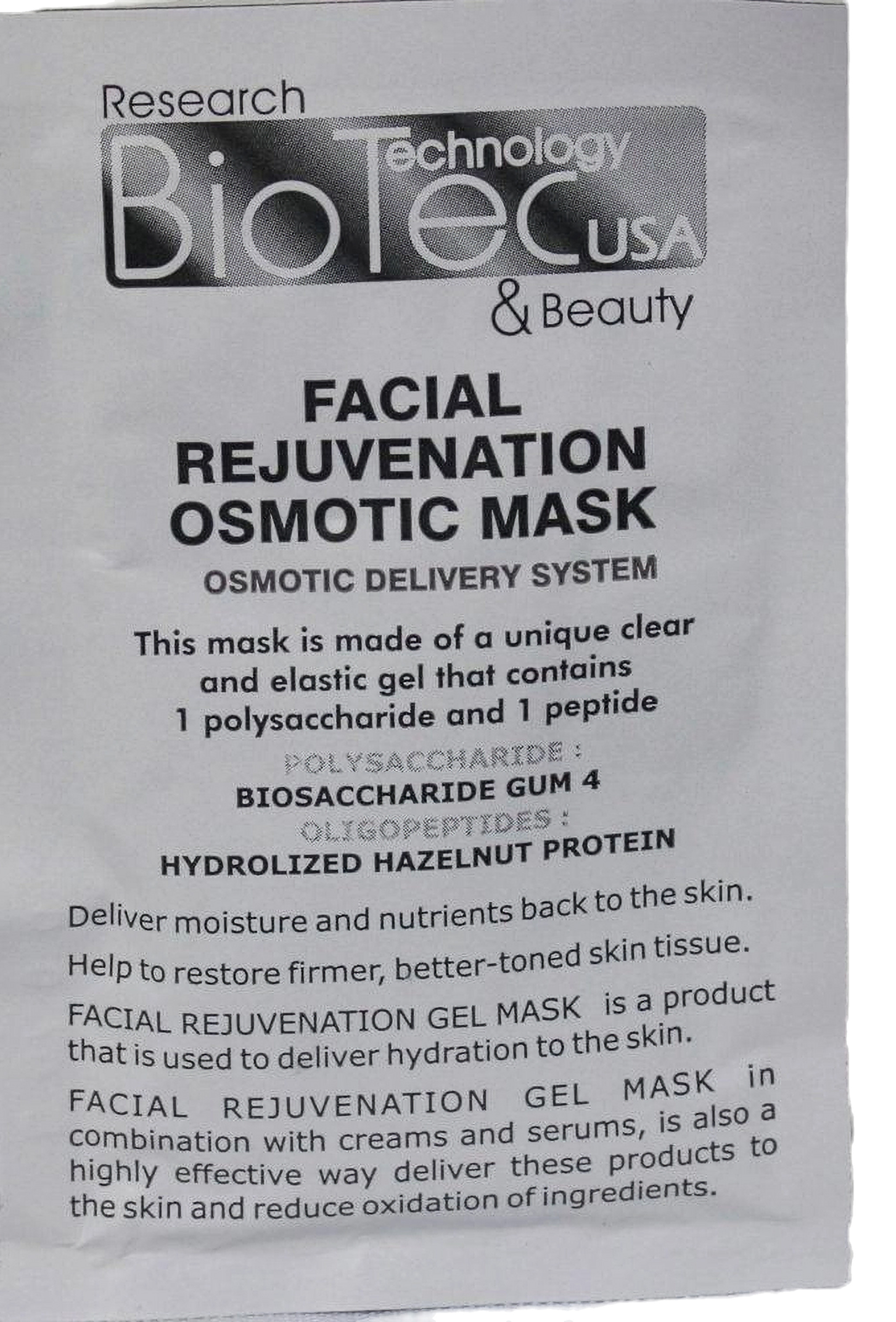
Biomimetic peptides are akin to cellular text messages—short chains of amino acids that facilitate communication between your skin cells. As we age, the frequency and clarity of these messages decline. Biomimetic peptides are short chains of amino acids, laboratory-crafted to resemble the signaling molecules your skin produces naturally. As we age, the frequency and clarity of these messages decline. I choose biomimetic peptides for my formulas because of how they're designed to work alongside the skin's own processes.
For instance, Palmitoyl Tripeptide-1 mimics the signal that instructs fibroblasts (the cells responsible for collagen production) to 'wake up and produce more collagen.' It's like sending a much-needed reminder to a factory that has been running at reduced capacity—once the reminder arrives, production ramps up, resulting in firmer skin and diminished fine lines.
Another noteworthy peptide is Copper Tripeptide-1, renowned for its wound healing and for supporting the skin's appearance of resilience and recovery.tissue regeneration properties.

How I Choose What Goes Into a Formula
I don't rely on a supplier's data sheet alone. Every ingredient I use has gone through my own testing process first — sampled at industry panels, tried in small batches on myself and clients, before I commit to it in a finished product. That's a slower way to build a skincare line than simply private-labeling someone else's formula, but it's the only way I'm willing to put my name on something.

Eco-conscious Beauty: Where Green Meets Biotechnology
Green beauty doesn't mean stepping away from effective ingredients — it means being thoughtful about what you use and why. At BIOTEC USA, I combine bioengineered peptides with natural botanical enzymes, always testing the combination myself before it becomes a product. I look for potent elements found in nature — like the antibacterial and the protective properties of bee propolis — and refine how they're used in formulation, while keeping every product free from artificial additives and GMOs.
In a world where people are becoming more aware of the ingredients they apply to their bodies, the biotechnological advancements in my products offer a promising blend of effectiveness and environmental responsibility. During an interview with the Spa Management Journal, Tanya Gospodinova highlights that by understanding our skin's biology and providing it with the appropriate tools, we can positively influence the aging process, thereby defining true beauty in a scientifically measurable and validated way.
The Philosophy Behind My Formulas
Biomimetic peptides are designed to work with the skin's natural processes rather than against them — supporting a smoother, calmer, more resilient look over time. I've spent over three decades testing and refining formulas this way, one small batch at a time, because that's the only process I trust enough to put on a client's face — or my own.
Understanding how enzymes and biomimetic peptides work lets you make more informed choices about what you put on your skin. I'd rather explain my actual process honestly than promise you a number I can't stand behind.


Comments